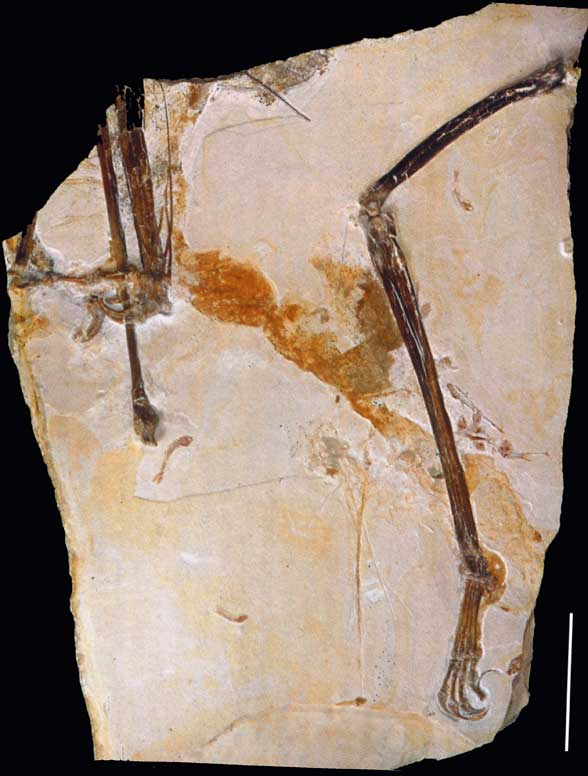
Frey E and Tischlinger H 2000. Weichteilanatomie der Flugsaurierfüße und Bau der Scheitelkämme: Neue Pterosaurierfunde aus den Solnhofener Schichten (Bayern) und der Crato-Formation (Brasilien). Archaeopteryx, Eichstätt, 18: 1-16.
Shen C, Pêgas RV, Gao C, Kundrát M, Zhang L, Wei X and Zhou X 2021. A new specimen of Sinopterus dongi (Pterosauria, Tapejaridae) from the Jiufotang Formation (Early Cretaceous, China). PeerJ 9:e12360 http://doi.org/10.7717/peerj.12360
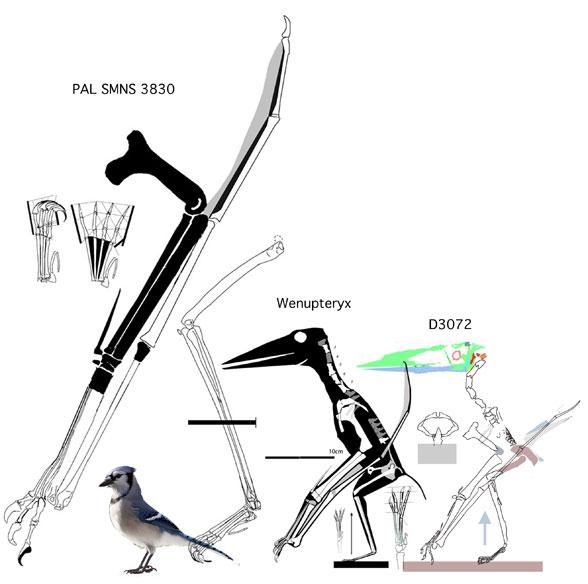
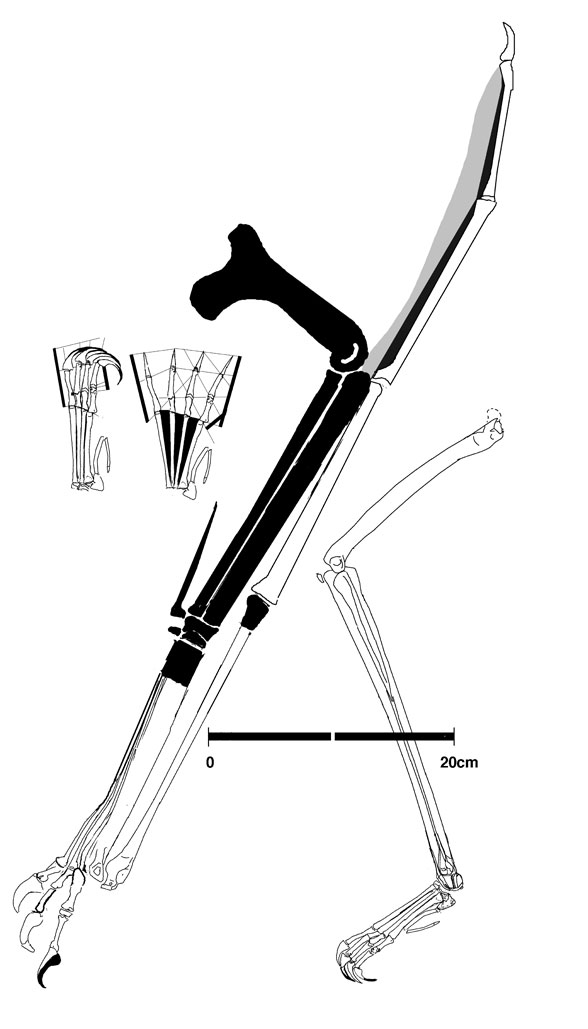
SMNK PA 3830 - not yet posted or named
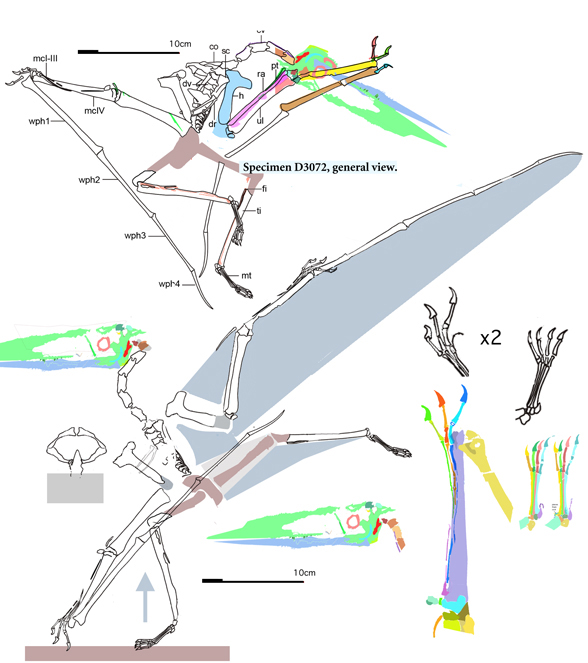
D3072 - not yet posted and misidentified |