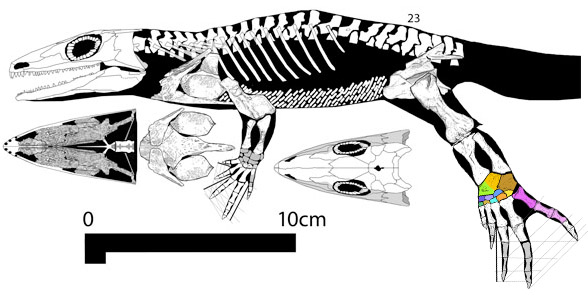
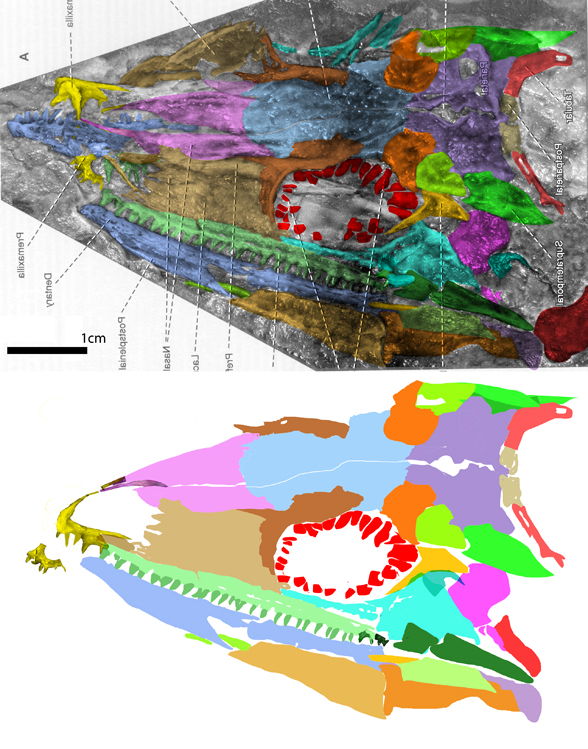
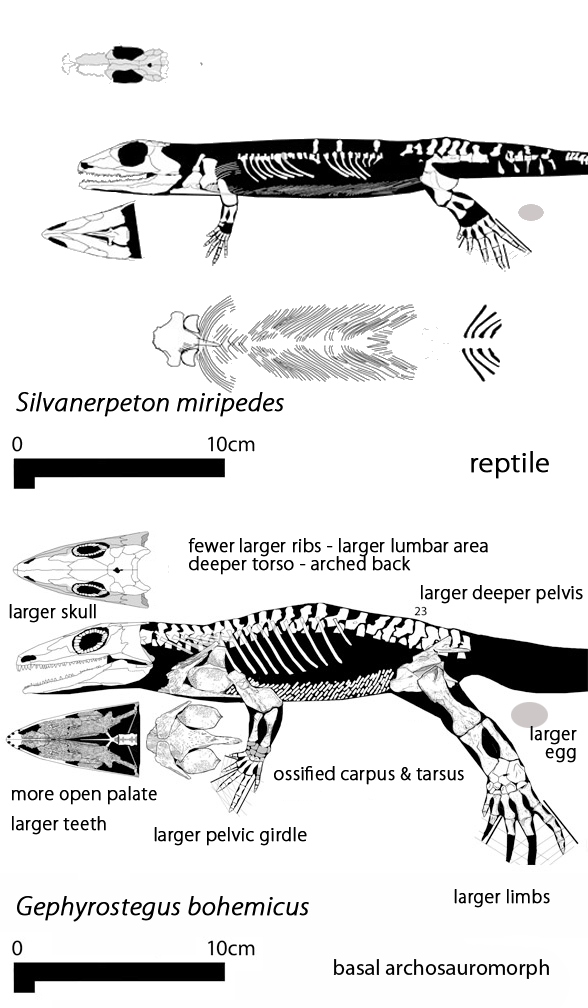
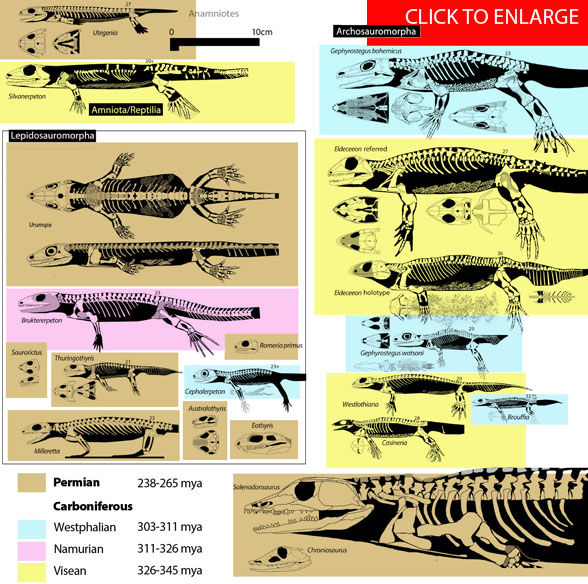
Gephyrostegus bohemicus (Jaeckel 1902) Upper Carboniferous (~310 mya)~22 cm snout-vent length, is the basalmost archosauromorph, derived from Viséan (Early Carboniferous) Silvanerpeton, the basalmost reptile. Gephyrostegus is 30 milion years younger. Gephyrostregus phylogenetically preceded another Viséan basal archosauromorph, Eldeceeon.
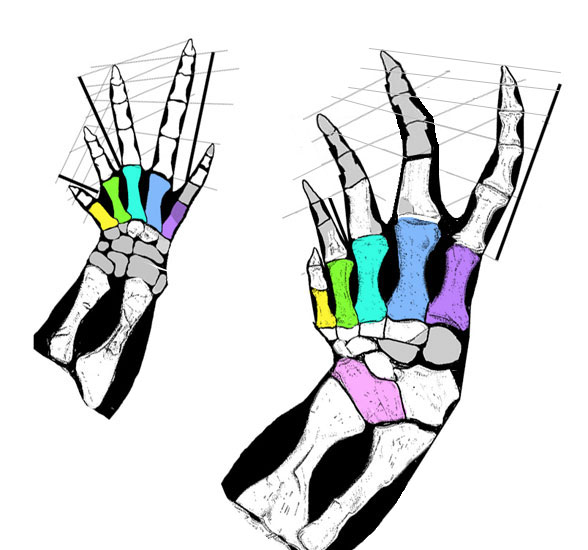
Distinct from Silvanerpeton, the presacral vertebral count was reduced to 24. All four limbs were larger and robust. Manual digits IV and V were longer. The girdles were more robust. The intermedium is fused to create the astragalus.
Gephyrostegus bohemicus has no traditional amniote characters, but nests within the Reptilia. Gephyrostegus had more terrestrial, longer legs, fewer dorsal ribs, a fused astragalus, and a deeper pelvis. Phylogenetic bracketing indicates Gephyrostegus laid amniotic eggs, the key trait of the Amniota = Reptilia.
While most early tetrapods lived their lives in water, Gephyrostegus was among the few that preferred land (= moss covered swampy coal forest logs). Tiny circular scales covered the body except ventrally where large V-shaped scales were present.
Traditional workers do not nest amphibian-like Gephyrostegus within the Reptilia.
Similarly, academic workers do not nest amphibian-like Limnoscelis and Diadectes within the Reptilia. This is unfortunate. |