Andres B and Langston W Jr 2021. Morphology and taxonomy of Quetzalcoatlus Lawson 1975 (Pterodactyloidea: Azhdarchoidea). Journal of Vertebrate Paleontology Memoir 19 41(2):46–202.
Campos HBN 2021. A new azhdarchoid pterosaur from the Late Cretaceous Javelina Formationof Texas. Biologia doi:10.1007/s11756-021-00841-7
Ji S, Zhang L and Lu F 2023. A new species of chaoyangopterid pterosaur from the Early Cretaceous in western Liaoning, Peoples Republic of China. Acta Geoogica Sinica 97(6): 1–18 in Chinese with an English abstract.
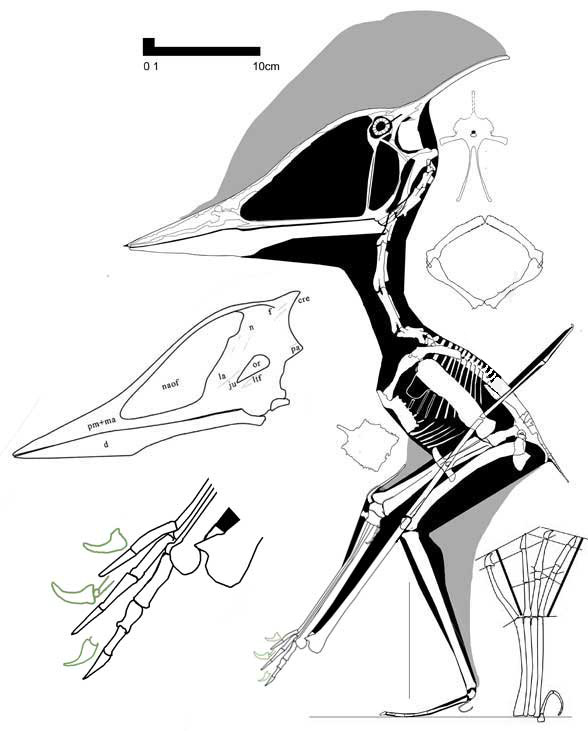
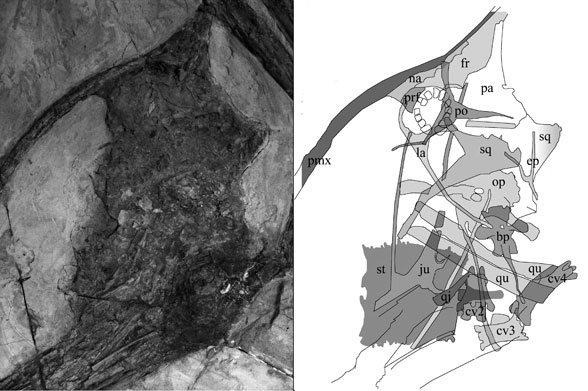
Lü J, Unwin DM, Xu L and Zhang X 2008. A new azhdarchoid pterosaur from the Lower Cretaceous of China and its implications for pterosaur phylogeny and evolution. Naturwissenschaften 95 (9): online (preprint). doi:10.1007/s00114-008-0397-5. PMID 18509616.
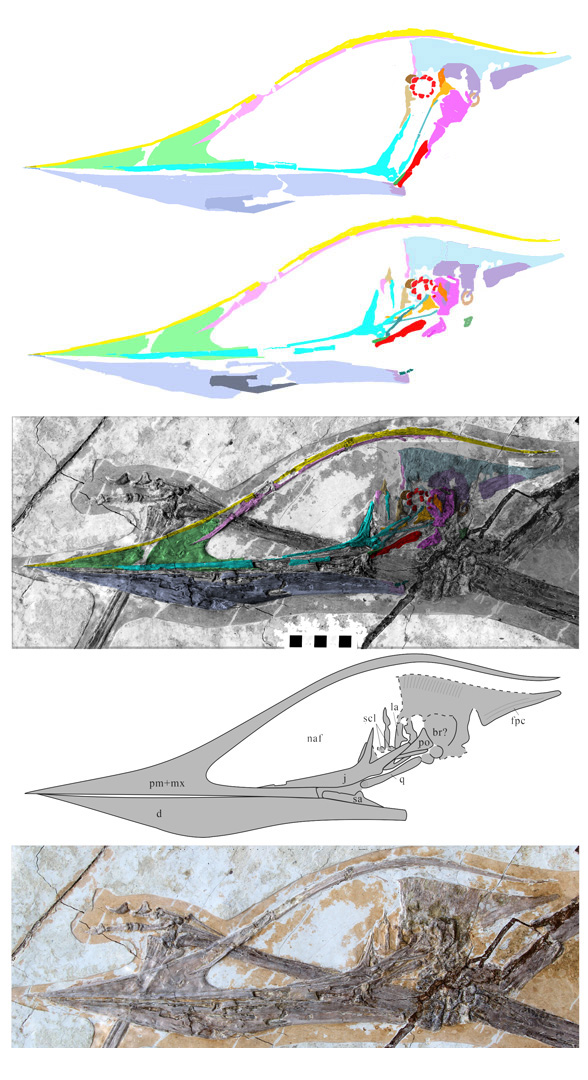
WangX et al (more than a dozen co-authors) 2023. A new toothless pterosaur from the Early Cretaceous Jehol Biota with comments on the Chaoyangopteridae. Scientific Reports. 13 (1): 22642.
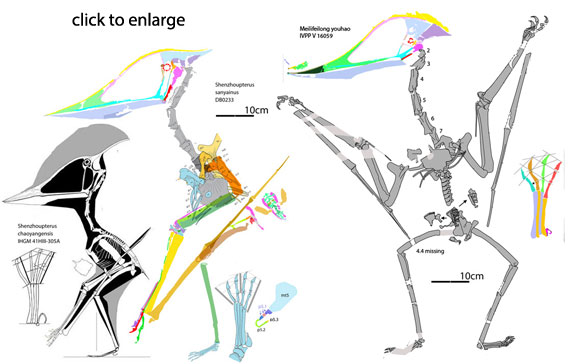
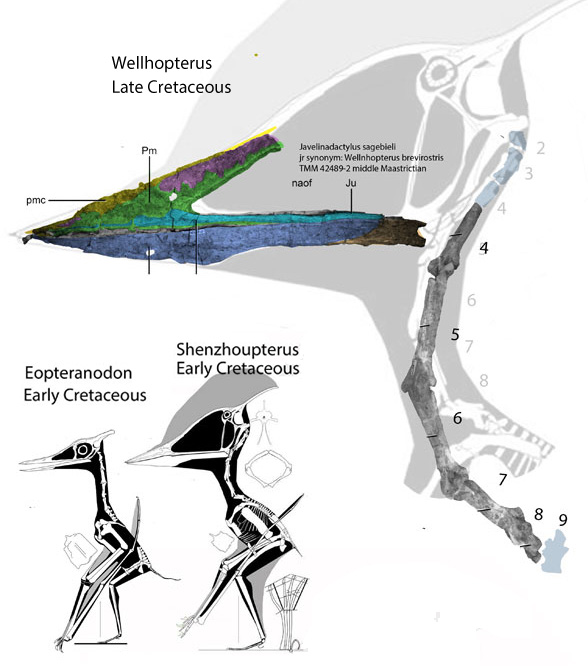
wiki/Shenzhoupterus
wiki/Javelinadactylus = Wellnopterus
wiki/Meilifeilong |